



Diesel engines produce emissions which can contribute to airborne pollution including:
- Particulate Matter (PM) mostly consisting of Soot (carbon) and Ash (from the combustion of fuel and oil additives)
- Nitrogen Oxide, NO and Nitrogen Dioxide, NO2 (collectively known as NOx)
- Unburnt hydrocarbons from fuel (HC)
- Carbon Monoxide (CO)
These emissions are damaging to health and legislation has been introduced around the world to combat airborne pollution. This includes the Euro regulations (covering the EU), the EPA regulations in the US along with regional standards in China, India, Japan and Brazil. Airborne pollution is most severe in major urban centres and many cities including London, Berlin, Amsterdam, Paris, Rome and Beijing have created Low Emissions Zones or E-Zones to improve local air quality.
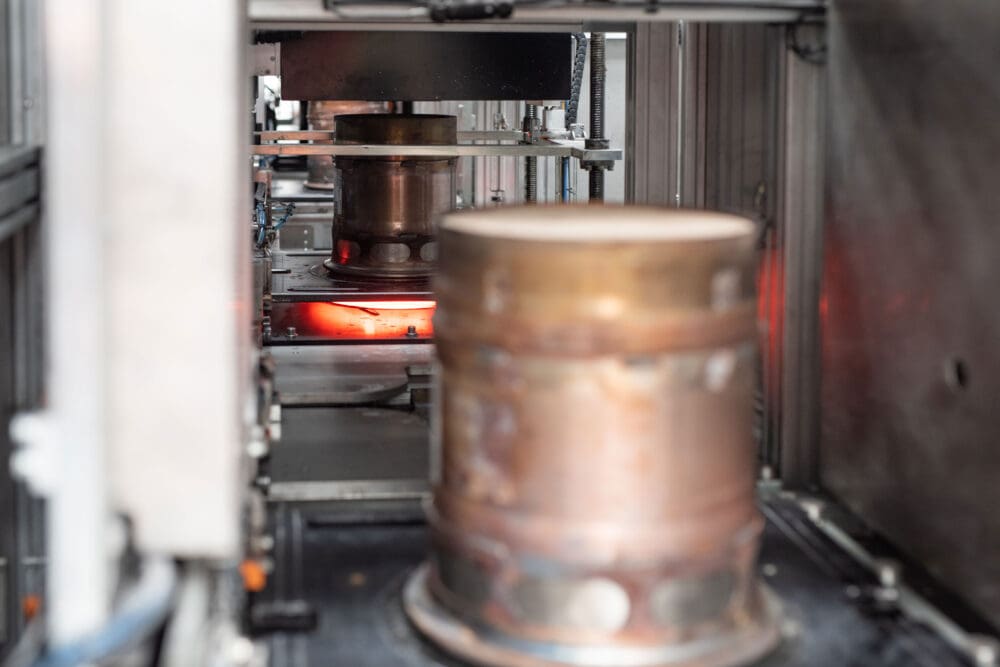
To meet these emissions regulations, most diesel vehicles are fitted with exhaust after-treatment devices. These can be fitted as a retrofit system (for older vehicles) or as a standard feature which is now fitted to most new vehicles.
Exhaust after-treatment systems (EATS) include various catalysts to reduce levels of CO, HC or NOx along with a Diesel Particulate Filter (DPF) to reduce PM.
In Europe, DPFs were first fitted to diesel cars as long ago as 2001 and they became widespread from 2009 onwards with the introduction of the Euro 5 emissions regulations for cars. Similarly, all new trucks and other heavy-duty vehicles sold from January 2014 are fitted with DPFs to meet the new Euro VI legislation.
Furthermore, DPFs are now fitted as standard in off-highway markets such as agriculture and construction to meet the requirements of Tier IV/Stage 4 and Stage 5.